What to expect at the Healthy Ageing Summit
Healthy ageing is not a trend, a protocol, or a single discipline. It is a lifelong process shaped by movement, recovery, stress, sleep, nutrition, purpose, environment and the way we support human beings across changing stages of life.
The Healthy Ageing Summit 2026 brings together leading practitioners, researchers, educators and lived-experience experts who are challenging outdated narratives and redefining what truly supports longevity. Across two immersive days, the Summit explores how ageing intersects with biology, behaviour, psychology, identity and performance — and what that means for real people, not idealised models.
Each session has been carefully curated to go beyond surface-level advice. You’ll be exposed to evidence-informed frameworks, practical tools and critical thinking that help you work more effectively with ageing individuals — whether you are supporting clients, patients, athletes, communities, or your own long-term wellbeing. Topics covers sleep, stress, menopause, nutrition, movement, genetics, recovery, purpose, identity and wellbeing intelligence, all grounded in real-world application rather than theory alone.
This is not a “one-size-fits-all” event – The sessions reflect the reality that healthy ageing looks different for every individual — shaped by their biology, history, environment and life stage. You’ll be encouraged to question assumptions, refine your lens and leave with clarity, confidence and strategies you can apply immediately.
Explore the sessions below to see how each Presenter contributes a unique perspective to the bigger picture of healthy ageing.
Programming Play - Purpose, Position & Practice
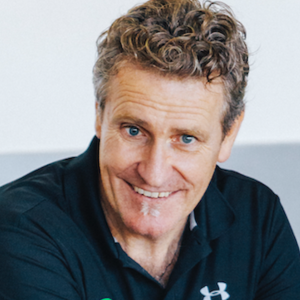
Ian O'Dwyer
Play is often misunderstood as random, unstructured, or a reward at the end of a session. At Feel SOMA, play is purposeful. When programmed with intent, it becomes a powerful driver of movement quality, neural adaptability, learning, and longevity. In this dynamic workshop, Ian O’Dwyer explores how to integrate play with clarity—examining where it belongs within priming, training, restoration, and reconditioning rather than using it as filler. You’ll discover how play influences fascia, fluid flow, awareness, and motor learning while reducing threat and restoring curiosity.
This workshop reframes play as a strategic, evidence-informed component of effective programming, empowering coaches and practitioners to create sessions that are engaging, adaptable, and deeply human—aligned with the Feel SOMA philosophy of sustainable movement and lifelong vitality.
Does Menopause Need a New Healthy Ageing Narrative?
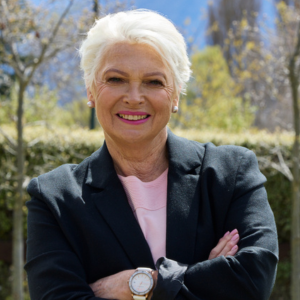
Dr Wendy Sweet
This must-attend session reframes menopause as the pivotal gateway to women’s healthy ageing — not a side note to be pushed through with relentless exercise. Drawing on research, real-world observations, and decades of overlooked evidence, Wendy exposes why so many midlife women are unknowingly accelerating fatigue, inflammation, joint pain, sleep disruption and cardiovascular risk. You’ll discover why “training harder” often backfires during menopause, how this life stage acts as the bookend to Puberty and the bridge into ageing and why lifestyle strategies must change — not intensify.
This session challenges outdated paradigms and equips practitioners with an integrated, life-course lens to better support women through midlife and beyond.
The Longevity Blueprint
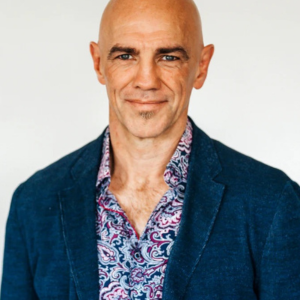
Dr Paul Taylor
Longevity is a hot topic in health and wellness – but much of the conversation is clouded by hype and half-truths. In this myth-busting session, you’ll cut through the noise to discover what truly matters when it comes to living longer, stronger and healthier. Drawing on the latest insights from biology, neuroscience and behavioural science, this session explores the 12 hallmarks of ageing and the practical strategies that can slow their progression. You’ll also gain a simple, evidence-based behaviour change framework to help turn knowledge into sustainable habits, both for yourself and your clients.
By the end of this session, participants will have a clear understanding of the 12 biological hallmarks of ageing and how they influence health, physical performance and disease risk across the lifespan. The session will explore practical, evidence-based strategies to help slow the ageing process, including the role of exercise, nutrition, sleep, and stress management. Participants will also learn how principles of behavioural science can be applied to support long-term lifestyle change, enabling clients to move beyond short-term compliance toward sustainable habits. Key behaviours and interventions that enhance both lifespan (years lived) and healthspan (quality of life) will be identified, along with practical tools practitioners can use to help clients implement and maintain changes that support healthy ageing over time.
Ageing with Wellbeing Intelligence
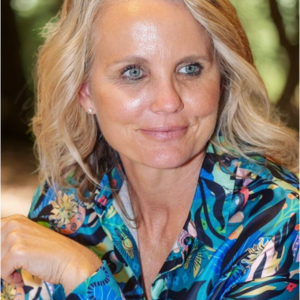
Angela Lee Jenkins
This session explores healthy ageing through a Wellbeing Intelligence lens — a whole-person, whole-system approach that recognises wellbeing as unique, relational and shaped by the environments and roles we live within. Drawing on the concept of eudaimonic wellbeing, the session focuses on meaning, purpose, connection and vitality as essential contributors to ageing well.
Angela will explore how wellbeing is supported not just by knowing what to do, but by how we design our lives to catch ourselves — through daily systems, boundaries, and the “small things” that sustain energy and emotional health. The session integrates research, practical tools and lived experience to support people navigating later-life transitions, underpinned by Angela’s Will to Liv message of choosing a meaningful life at every stage.
What you don’t see can hurt your clients
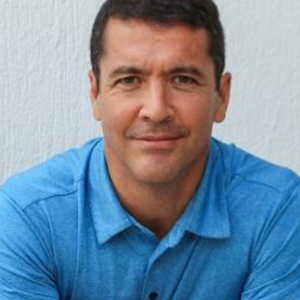
Dave Liow
Before you load the body, you must first position it correctly. This must-attend session brings a practical, clinical lens to movement coaching, helping practitioners identify hidden risks before they become injuries. You’ll learn simple, effective assessments to detect weight shift imbalances, structural variations such as Morton’s foot and scoliosis and differences in hip structure that directly influence how a client should train. Discover how these factors impact the kinetic chain and why “one-size-fits-all” programming falls short. Most importantly, you’ll walk away with quick tests and clear training modifications you can apply immediately, allowing you to load clients more safely, confidently, and effectively — maximising performance while minimising injury risk.

Why do so many runners stop as they get older? This must-attend session challenges the myths that quietly sideline ageing athletes — from “you’re too old to run” to “running will ruin your knees.” Grounded in science and real-world practice, this presentation reveals what runners actually need to change as they age to stay strong, resilient and competitive. You’ll explore smarter recovery, intelligent training periodisation, and the essential role of strength and plyometrics in longevity. With a practical component linking simple movements like jumping and hopping to performance and injury prevention, this session shows exactly how to apply these strategies immediately. It’s a powerful reminder that with the right approach, running has no age limit.
The Silent Load: Hearing Loss and Cognitive Overload
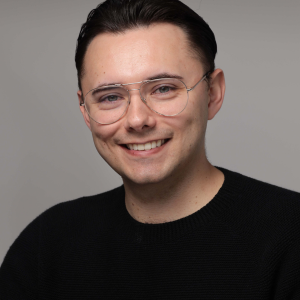
Reece Cooper
Hearing loss is now recognised as the leading modifiable risk factor for dementia, meaning it is one of the most powerful areas where early action can make a meaningful difference. In this presentation, Reese examines the often-overlooked connection between hearing and brain health, exploring how untreated hearing loss can contribute to cognitive overload, mental fatigue, and long-term neurological decline. He unpacks why many people delay treatment, the consequences of doing so and why some hearing loss becomes irreversible if left too late. Attendees will gain a deeper understanding of the neural pathways linking the ears and brain, and how proactive hearing care supports lifelong cognitive function. Each attendee will also receive a complimentary copy of Andrew’s book.
Purpose, Belonging and Identity – The Missing Links
Robyn Walker
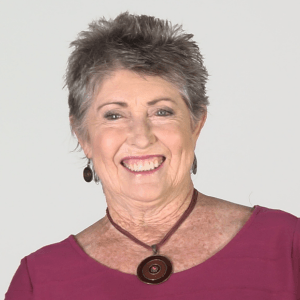
This powerful and deeply human session invites you to see ageing — and yourself — through a fresh, empowering lens. Robyn brings clarity to the four core behavioural styles, helping you better understand your own patterns, those of your clients, and the people you care about most. She explores how the fundamental human needs of belonging and contributing shape mindset, wellbeing, and purpose as we move into our Eldership years. You’ll gain a simple framework for understanding behaviour, uncover why we resist change (and how to shift it), and reconnect with passion, purpose, and wisdom. This session reframes Eldership as a vital force — the glue that strengthens families, communities, and a safer future for generations to come.
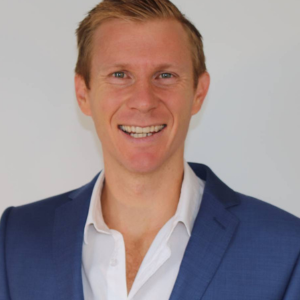
What your clients eat matters — but when and how they eat may matter even more as they age. This must-attend session reveals how personalised nutrition and circadian rhythms shape inflammation, recovery, energy, body composition and long-term health. Designed specifically for personal trainers, it goes beyond meal plans and macros to unpack the biology behind food behaviours, timing and individual responses. You’ll discover how everyday eating patterns can either calm or drive inflammation, why timing affects digestion, cognition and training adaptation and which biological systems influence outcomes differently from one client to the next. Walk away with a smarter framework to guide conversations, align nutrition with training and confidently support healthy ageing in real-world practice.
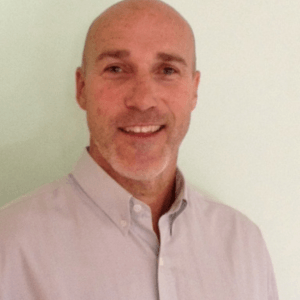
As the global conversation shifts toward healthy ageing and longevity, one factor sits at the centre of it all: stress. Returning after his standout Recovery session at last year’s Summit, Richard Boyd shares his perspective on longevity—and why one formula, one protocol, or one solution will never solve healthy ageing. This presentation explores how stress affects the body, the many stressors we face, and why certain “stressful” protocols can actually build resilience when applied with intent. You’ll learn how stress interacts with movement, recovery, environment, sleep and lifestyle across the HAI pillars, reframing stress not as the enemy, but as a powerful lever for adaptability, recovery and long-term vitality.
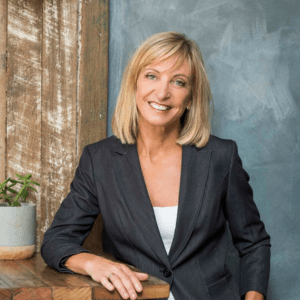
As people age, health conversations often become more complex, frequent and cognitively demanding. When information accumulates faster than it can be processed, communication can unintentionally undermine clarity, confidence and wellbeing.
This session explores how creating space to think within conversations supports understanding, connection, and self-direction in healthy ageing. Participants will examine how communication pace, structure and intent shape cognitive load and engagement and how these principles reflect broader wellbeing patterns seen in high-wellbeing societies. Practical strategies will be shared for use across allied health and wellbeing settings.
By the end of this session, participants will understand how communication influences clarity and engagement, gain tools that reduce overwhelm and support self-direction and reflect on how more human-centred communication can enhance healthy ageing practice.
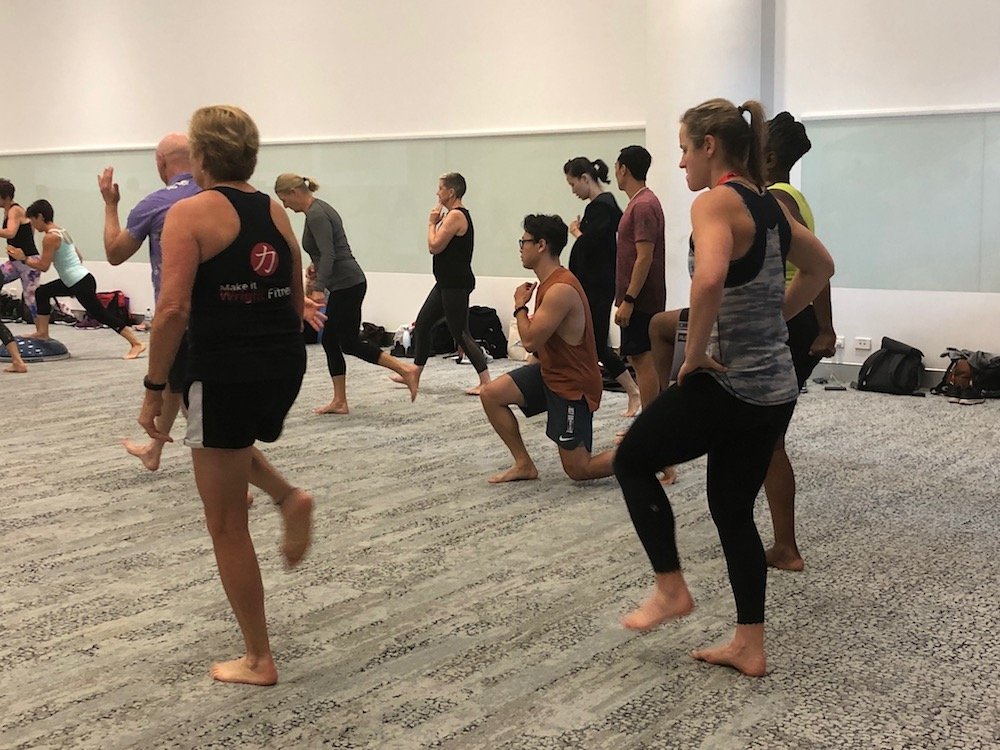
Balance training is a vital foundation for independence and successful daily living in older adults. This practical, hands-on workshop explores the complex and multi-dimensional nature of balance, addressing the interplay between the vestibular, visual, proprioceptive, musculoskeletal, and neurological systems.
Participants will experience evidence-based strategies and movement tasks that replicate the forces, challenges, and variability of real-life situations. The session includes passive and dynamic balance work, reaction-response training, gait variability and functional movement sequences.
Attendees will leave with a deeper understanding of how balance truly works, practical tools to enhance functional capacity, and the confidence to design effective balance programs. Join Laraine to explore intelligent, progressive approaches that build strength, flexibility, proprioception and efficient movement—supporting safer, more resilient ageing.
Why does the same program energise one client while leaving another anxious, exhausted, or stuck? This session explores how individual biology shapes stress, recovery, mental health and training outcomes—especially in ageing populations. Drawing on a personal journey from trainer and gym owner to genetic health strategist, this presentation reframes anxiety, brain fog and burnout as biological stress responses rather than mindset failures. You’ll explore how genetics influence movement response, stress regulation, and nutrition, and why exercise intensity can sometimes do more harm than good. Educational and empowering rather than diagnostic, this session builds awareness and practical application, helping professionals recognise when regulation, recovery and smarter programming must come before pushing harder.
Most people don’t neglect their health because they don’t care — they do so because the consequences feel too far away. This compelling session explores why humans are neurologically wired to prioritise immediate threats over future health risks, often delaying action until illness, injury, or diagnosis forces change. Drawing on behavioural science, longevity research, and real-world fitness industry experience, this presentation introduces biological age as a powerful tool for making future health visible in the present. Attendees will gain insight into how proactive assessment can drive earlier decision-making, strengthen engagement, and support long-term health and vitality before problems arise. For fitness operators, this approach also offers a clear pathway to deeper client buy-in and improved retention.
Healthy Sleep, Healthy Ageing
Dr Giselle Withers
Sleep is one of the most powerful — and misunderstood — pillars of healthy ageing. This must-attend masterclass cuts through myths, confusion, and outdated advice to give practitioners a clear, evidence-informed way to support better sleep in older adults. Blending up-to-date sleep science, behaviour change psychology, and real-world application, this session shows you how sleep truly changes with age, what’s normal and when intervention matters. You’ll learn how to guide clients toward meaningful improvements without triggering sleep anxiety, perfectionism, or working outside your scope. This is not generic “sleep hygiene.” It’s a practical, research-driven framework you can apply immediately to improve client outcomes, confidence and long-term wellbeing.
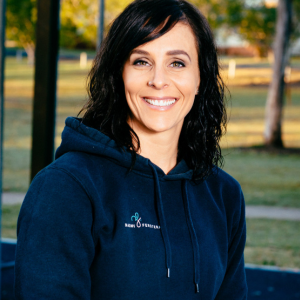
For too long, exercise for ageing adults has been reduced to “low and slow,” driven more by fear than evidence. But contemporary clinical research tells a far more compelling story. In this session, Naomi Ferstera, university lecturer and exercise science researcher, dismantles the myths surrounding high-intensity interval training (HIIT) and ageing.
Drawing on clinical studies and applied research, Naomi shows why properly prescribed HIIT is not only safe, but often superior for improving cardiovascular health, strength, metabolic function, and functional independence. Attendees will learn what HIIT truly means in a clinical context, how it differs from reckless intensity, and how to scale effort to support prevention, resilience, and long-term vitality.
Intensity, when used intelligently, isn’t dangerous — it’s essential.
Bonus Sessions: Keynote & Healthy Ageing Lab
These sessions bring the Summit together. Featuring the opening keynote and two all-presenter panels, they offer a big-picture lens on healthy ageing — connecting ideas, challenging assumptions and translating insight across the seven pillars into real-world understanding.
Keynote: The Pathway of Life
Healthy ageing isn’t defined by a single method, qualification, or protocol — it’s shaped by the quality of choices we make over time. In this opening keynote, Ian O’Dwyer invites professionals to pause and critically examine what they practise, teach, and believe. Through a Feel SOMA lens, the session explores how movement, fascia, neural response, recovery, environment, and belief systems influence how we live and age. Rather than viewing ageing as decline, this keynote reframes it as an adaptable, empowered process — offering permission to evolve, integrate what works, and discard what no longer serves longevity, resilience and real-world living.
Healthy Ageing Lab
At the Healthy Ageing Summit 2026, we are introducing an exciting new format designed to move beyond traditional presentations. Welcome to The Healthy Ageing Lab. The Lab is a highly interactive learning space where ideas, experience, and practical strategies come together. Rather than sitting and listening, participants actively engage in guided discussions with industry experts and fellow professionals. Each Lab session is designed to explore a key topic shaping the future of healthy ageing, prevention, and active living beyond 45. By the end of each Lab session, participants will leave with practical insights, new perspectives, and actionable ideas they can apply immediately in their work with clients and communities.
WORKSHOPS
SPONSORS
PRESENTERS
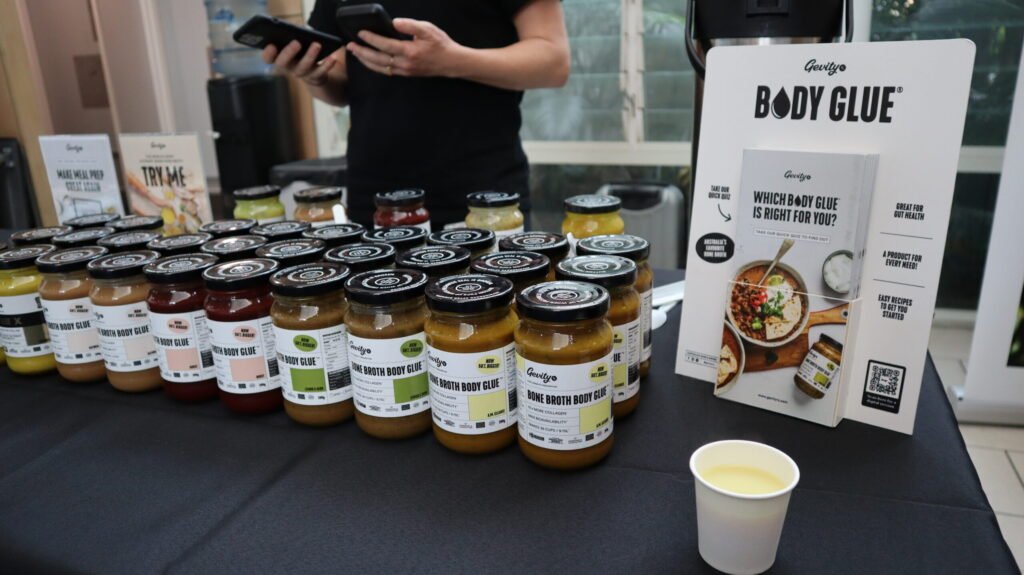
EXHIBITORS
